Home › Site Concrete and Civil Works
Reliable, professional site concrete in Austin, TX from Superior Concrete Austin. Contact us today for a free on-site estimate.
Superior Concrete Austin provides professional site concrete throughout Austin, TX, Texas and the surrounding area. Our licensed, insured crew delivers safe, clean, on-time work with a free estimate before anything begins. Call (737) 258-3740 or request your free quote.
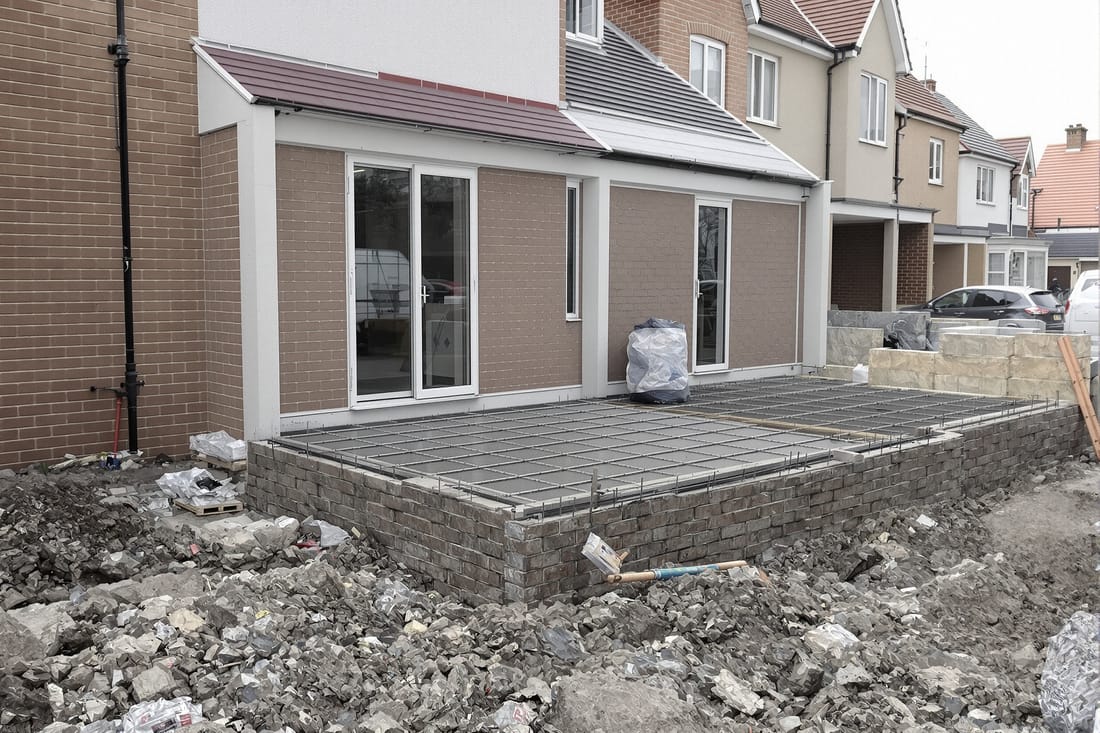
Site Concrete and Civil Works in Austin, Built for Central Texas Conditions
Site concrete is everything that happens on the ground before and around your building, and in a climate like Austin’s it has to be planned carefully. At Superior Concrete Austin, our site concrete and civil works focus on getting water away from structures, creating safe access, and giving you durable paved areas that can handle Central Texas heat, sudden storms, and heavy use.
For commercial and residential projects in Austin, site concrete typically includes drive lanes, parking lots, sidewalks, ADA ramps, curbs, gutters, dumpster pads, loading areas, machine pads, and site drainage structures like flumes and swales. On larger civil jobs we also coordinate with underground utilities, storm sewer inlets, light pole bases, and retaining structures.
Our approach is simple and practical. We start by understanding how you will use the space every day, the traffic loads involved, and any drainage issues you are already seeing. Then we design or build to plan with concrete mixes, reinforcement, slopes, and joint layouts chosen specifically for Austin’s expansive soils and big temperature swings. The result is finished site concrete that looks clean on day one and still performs five, ten, and fifteen years later.
Our Site Concrete Process, Step by Step
Superior Concrete Austin follows a clear, field tested process on every site concrete and civil works project so there are no surprises for you or your neighbors.
1) Site walk and layout: We walk the property, review your civil plans (or sketch out a basic layout if you do not have drawings yet), check existing elevations, and look for drainage paths, soft spots, and potential conflicts with utilities. In Austin we pay special attention to where water currently stands after storms and how it leaves the site.
2) Excavation and subgrade prep: We remove unsuitable soils, roots, and debris, then proof roll the subgrade. If we see pumping or rutting under the roller or truck, we know the soil needs stabilization. For many Austin sites, especially in areas with clay, we import base material like crushed limestone and compact it in layers to achieve the density specified in your plans.
3) Forms, reinforcement, and embeds: We set steel or wood forms to the correct lines and grades, using laser levels to hold accurate slopes for drainage. Next we place reinforcement (rebar, welded wire mesh, or both) and any embeds such as anchor bolts, drain boxes, curb inlets, and light pole bases. Proper reinforcement layout is critical at transitions like dumpster pads and driveway entrances where heavy loads and turning traffic concentrate stress.
4) Concrete placement and finishing: We coordinate concrete delivery around Austin traffic and temperature, then place the mix efficiently. Our crews use vibrators or proper rodding around reinforcement and forms to reduce voids. Finishes vary by area: broom finishes for sidewalks and drive lanes, light broom or trowel for ADA ramps, and harder trowel or special textures where required by plan or code.
5) Joints, curing, and protection: We place control joints at calculated spacing so the slab cracks where we want instead of randomly. For our climate, we also stress proper curing. We often apply curing compound or use wet curing to reduce early age cracking, especially from May through September when Austin heat can pull moisture from the slab quickly. Barriers and cones protect the work during curing so it is not damaged by early traffic.
6) Cleanup and punch list: We cut, remove, or patch temporary access where needed, haul off debris, and restore disturbed areas as specified. You walk the site with us to confirm drainage, finish quality, and access points before final sign off.
Concrete Mixes, Thicknesses, and Design Choices That Affect Performance
Not all site concrete is the same, and design choices have a big impact on how long your paved areas last. Superior Concrete Austin helps you match each area of your site with the right specifications instead of using one generic solution everywhere.
Concrete strength and mix: For most pedestrian sidewalks and patios in Austin, a 3,000 to 3,500 psi mix is common. For drive lanes, dumpster pads, fire lanes, and commercial parking lots, we often recommend 4,000 psi or higher, sometimes with low water to cement ratios and supplementary cementitious materials to increase durability. On hot days we may request set controlling admixtures so we have enough finishing time without overwatering the surface.
Slab thickness: Typical residential sidewalks may be 4 inches thick, while driveways range from 4 to 6 inches depending on vehicle loads and soil conditions. Commercial sites often require 6 inch or thicker pavements, with localized thickening under dumpster pads, loading docks, and around truck turning radii. We evaluate your expected use and local soil to propose a thickness that balances cost and performance.
Reinforcement: In Austin’s expansive clays, reinforcement is especially important. We use rebar mats or properly supported wire mesh to help control crack widths and keep slabs from separating at joints and edges. In some civil applications, such as channel linings or heavily loaded pavements, we may also use dowels at key joints to transfer loads.
Slope and drainage details: Surface drainage is a major design choice. Even a quarter inch per foot matters. On sidewalks and plazas, we design slopes that move water without creating walking discomfort. Around buildings, we prioritize grades that move water away from the foundation and toward designed stormwater paths, which is critical in Austin’s intense storm events.
Surface texture and edge details: We adjust finishes based on safety and use. Broom finishes provide traction in wet conditions, while ADA ramps receive detectable warning surfaces where required. Curbs and gutters are formed with specific profiles to match city or county standards when needed, particularly on public or semi public sites.
Local Considerations for Site Concrete in Austin, TX
Working in Austin means working with unique soil and weather conditions that should influence every site concrete and civil works decision. Superior Concrete Austin has decades of combined experience managing these local realities so they do not become your future headaches.
Soils: Many Austin neighborhoods sit on expansive clay, while others have shallow limestone. Clay swells when wet and shrinks in drought, which can shift slabs if the base is not properly prepared. We address this with thicker and better compacted base layers, adequate drainage away from slab edges, and thoughtful reinforcement design.
Weather and scheduling: Austin summers bring high heat and rapid evaporation. When placing site concrete in hot months, we typically pour early in the morning, adjust mix designs, and increase curing measures to combat thermal and shrinkage cracking. Spring and fall are ideal times for larger site concrete scopes because temperatures are moderate and curing conditions are more forgiving.
Stormwater management: Central Texas is known for heavy downpours that can overwhelm poorly planned sites. During design and layout we look at inlet locations, swale alignment, and curb flow lines to prevent water from ponding against buildings or doorways. Correct slopes and transitions between pavement types are critical in avoiding standing water that can lead to surface scaling or icing in winter cold snaps.
Local codes and accessibility: Within the city of Austin and surrounding jurisdictions, there are specific standards for ADA compliant sidewalks and ramps, curb and gutter details, fire lane construction, and accessible parking. We work with your engineer and the city to ensure slopes, landings, handoffs to existing sidewalks, and detectable warnings are installed to current code so you avoid failed inspections and costly rework.
What Drives Cost and How We Help You Control It
Site concrete and civil works often represent a significant portion of a project budget. Superior Concrete Austin is transparent about what drives cost and where smart decisions can save money without sacrificing performance.
Key cost factors include:
Scope and layout: Long continuous runs of sidewalk or pavement are usually more economical than many small isolated pours. Complex shapes, tight radiuses, and decorative borders add forming and labor. When possible, we help value engineer layouts to reduce unnecessary complexity while still meeting functional and aesthetic goals.
Thickness and reinforcement: Increasing thickness or adding rebar does add cost, but can be cheaper than repairing failed concrete in a few years. On the other hand, overbuilding areas that will only see light use is wasteful. We help you right size each area based on realistic loading and soil conditions.
Subgrade and base preparation: Sites with poor or variable soils require more excavation and imported base. We identify this early, often during our initial walk, so you are not surprised by change orders once work starts. Where appropriate, we can phase work or focus improvement only on the worst areas to stay within budget.
Access and phasing: Tight access, required night work, or the need to keep parts of a parking lot open for customers can affect labor and equipment costs. We often build in phases so your business can keep operating, and we plan pours to minimize disruption while still working efficiently.
Finish and detailing: Standard broom finishes and straightforward curbs cost less than decorative stamping, staining, or complex drainage structures. For many commercial and multifamily projects, we recommend saving decorative budgets for a few focal areas while keeping the bulk of site concrete functional and durable.
By walking the site with you and your design team early, we can often identify non structural changes that reduce cost, such as adjusting joint patterns, simplifying certain radiuses, or combining small pods of pavement into more efficient pours.
Why Choose Superior Concrete Austin for Site Concrete and Civil Works
Choosing the right contractor for site concrete is important because these elements are hard to fix once they fail. Superior Concrete Austin focuses on delivering civil and site concrete work that performs in the real Austin environment, not just on paper.
Our crews are used to working from detailed civil drawings and coordinating with surveyors, engineers, and city inspectors. On smaller projects where you may not have full engineering, we explain options in plain language and help you arrive at a practical design that respects your budget and the site’s constraints.
We keep communication clear. You know when we are mobilizing, what areas will be accessible, and how long curing will take before you can drive or walk on new concrete. For businesses, we often stage work so customers always have safe paths and parking, even while upgrades are underway.
Quality control is built into every step. We check form elevations before pouring, confirm reinforcement placement, monitor truck tickets for correct mix designs, and adjust our finishing techniques to match the day’s temperature and wind. When weather in Austin changes suddenly, we would rather pause a pour than risk a bad result that causes you problems later.
Above all, we stand behind our work. If you have questions about how to maintain your concrete, add new areas in the future, or connect additional drainage structures, you can call us and talk with someone who understands your project. Site concrete and civil works are long term investments, and Superior Concrete Austin treats them with the seriousness that kind of investment deserves.