Home › Commercial Concrete Demolition and Replacement
Reliable, professional commercial concrete removal in Austin, TX from Superior Concrete Austin. Contact us today for a free on-site estimate.
Superior Concrete Austin provides professional commercial concrete removal throughout Austin, TX, Texas and the surrounding area. Our licensed, insured crew delivers safe, clean, on-time work with a free estimate before anything begins. Call (737) 258-3740 or request your free quote.
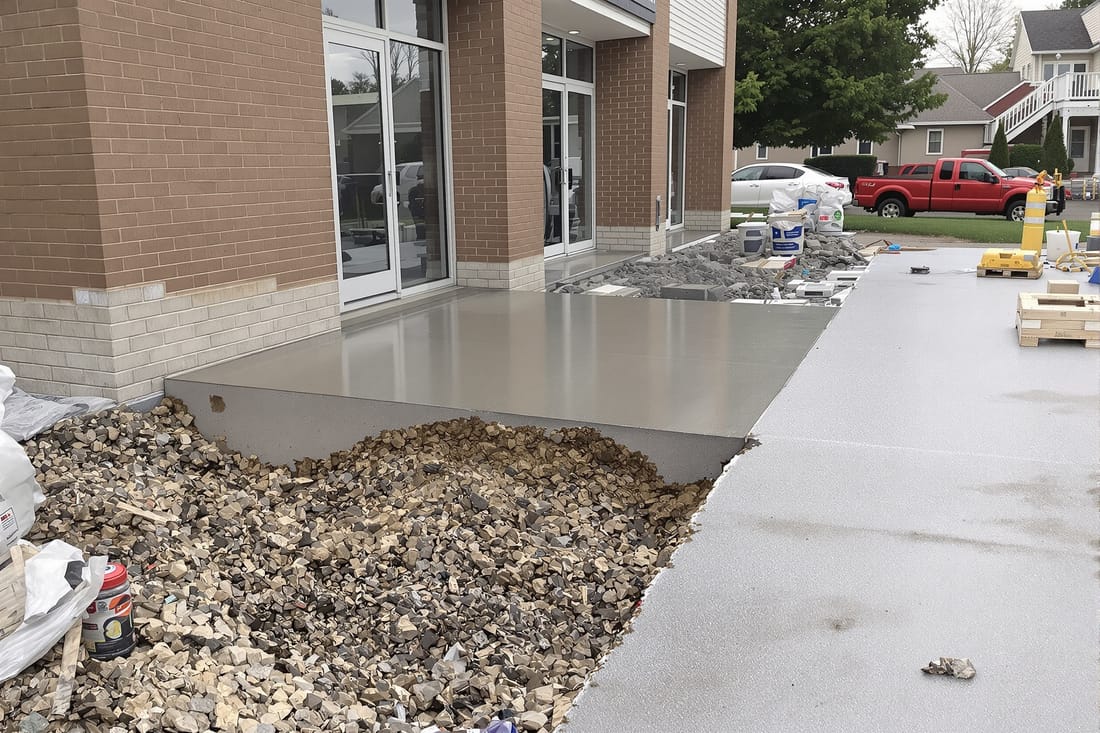
Commercial Concrete Removal for Austin Businesses
Commercial properties in Austin carry heavy loads, high traffic, and strict safety expectations. When concrete fails, quick and careful removal is essential to keep your business operating. Superior Concrete Austin provides commercial concrete demolition and replacement that is tailored to local codes, Central Texas soils, and the daily realities of running a business in this city.
We routinely handle removal and replacement for loading docks, warehouse slabs, retail entries, drive lanes, dumpster pads, small parking lots, ADA ramps, and equipment pads. Whether your property is a South Austin strip center from the 1980s, a newer warehouse in Pflugerville, or an older central Austin property with limited access, we plan the work around your specific site conditions.
Our team focuses on minimizing disruption. We coordinate work around business hours, phase demolition so critical access stays open when possible, and keep job sites clean and safe for customers and employees. From the first site walk, we explain what is failing, what can be saved, and what truly needs full removal so you can make informed decisions instead of guessing.
Assessing Existing Concrete and Planning the Demolition
Every commercial concrete removal project starts with an on-site evaluation. We do more than look at cracks on the surface. Superior Concrete Austin checks slab thickness, reinforcement type, load requirements, drainage patterns, and the condition of the base material under the concrete.
Common problems we see across Austin include warehouse slabs that were poured too thin for forklift traffic, parking areas with poor drainage that stay wet after storms, and failed dumpster pads where trucks repeatedly turn in a tight radius. We also see heaving or settlement where expansive Central Texas clay was not handled correctly.
During the assessment, we locate utilities, including water lines, electrical conduits, gas lines, and irrigation. On older central Austin commercial buildings, utility depth and routing can be unpredictable, so we verify locations using plans when available, call 811, and, when needed, perform careful test digs. This prevents costly and dangerous line strikes during demolition.
Based on what we find, we provide a written plan that outlines which areas need complete removal, which can be spot repaired, and how thick the replacement concrete should be. We also discuss timing, access routes for equipment, dust control, noise considerations, and staging areas, which is critical if you operate a busy retail center or warehouse.
How Commercial Concrete Demolition is Actually Done
Demolition methods depend on slab thickness, reinforcement, and proximity to structures or utilities. For open parking lots and drive lanes, we often use skid steers or excavators with hydraulic breakers to fracture the slab, then load the broken concrete into dump trucks or roll-off containers. For heavily reinforced loading docks or equipment pads, we may saw cut sections first to control breakage and protect nearby structures.
In tight areas, such as behind restaurants along South Lamar or in shared alleyways downtown, we use smaller equipment and more saw cutting to minimize vibration and reduce the risk of damaging adjacent foundations or masonry. Where vibration is a concern, for example near sensitive equipment or older brick buildings, we adjust the demolition sequence and tool selection to keep impacts low.
All debris is removed from the site and sent to approved facilities. When possible, we send concrete to recycling yards where it is crushed and reused as road base, which can also reduce disposal costs on some projects. We keep demolition sites barricaded, post clear temporary signage, and coordinate with your property manager or facility team so tenants and delivery drivers know where to go during the work.
At the end of demolition, we are not done until the exposed subgrade is inspected. If we find soft spots, voids, or unsuitable fill, we address those issues before moving into the replacement phase so the new slab does not inherit old problems.
Rebuilding the Slab or Paving the Right Way
Once the old concrete is removed and the subgrade exposed, preparation is critical. On most commercial projects in Austin, Superior Concrete Austin installs a compacted base layer, often a crushed limestone or engineered road base, to provide uniform support over the city’s variable soils. We compact in thin lifts and test the base for firmness, especially in areas that will see heavy truck or forklift traffic.
For the new concrete, thickness and reinforcement are selected based on use. Light duty parking and walkways may use 4 inches of 3000 to 3500 psi concrete with fiber reinforcement. For drive lanes, dumpster pads, loading docks, and warehouse slabs, 5 to 8 inches of 4000 psi or higher concrete with rebar or welded wire mesh is typical. We can also incorporate dowels to tie into existing slabs and help prevent differential movement at joints.
Where code requires it, such as at ADA-accessible routes and ramps, we set precise slopes (usually between 1:20 and 1:12 depending on location) and install detectable warning surfaces at transitions. For retail and office entrances, we pay close attention to thresholds, door clearances, and drainage so water does not collect at entry doors during heavy Austin storms.
Concrete placement is followed by finishing that matches the function of the area. Broom finishes are common for parking and sidewalks for slip resistance. Warehouse floors may receive a trowel finish for smooth forklift operation. When aesthetics matter, such as in front of a customer-facing storefront, we can match existing joints and surface textures so the repaired area blends in rather than standing out.
Local Conditions, Cost Drivers, and Common Issues in Austin
Austin’s soil and weather present specific challenges that affect both demolition and replacement. Expansive clay in many parts of Travis County shrinks and swells with moisture changes, which can crack or tilt concrete if the base is not properly prepared. In low-lying areas that pond water, we may recommend minor regrading or additional drainage features to protect your new concrete investment.
Cost for commercial concrete removal and replacement is driven by several factors: access for equipment, slab thickness and reinforcement, total square footage, distance to disposal or recycling sites, and any required after-hours or weekend work. Tight downtown access or second-row buildings that require more hand work and smaller machines will increase labor time compared to open suburban sites.
Hidden conditions can also influence cost. For example, if demolition reveals saturated or unstable subgrade, we may need to over-excavate and bring in new base material. If old slabs contain unexpected rebar congestion or embedded steel, cutting and removal time increases. Superior Concrete Austin explains these risks upfront and, when possible, builds realistic contingencies into the proposal so you are not surprised mid-project.
Because commercial properties must stay operational, we also consider phasing. It is often more economical to divide large lots or warehouse areas into sections so part of the site remains usable while we work on another. This can add a bit of mobilization cost, but it often saves businesses money overall by avoiding lost revenue from full shutdowns.
What to Expect When You Hire Superior Concrete Austin
From the first call, you can expect clear communication and a straightforward process. We start with a site visit to understand your operations, traffic patterns, and constraints. After the assessment, we provide a written proposal that outlines demolition methods, replacement specifications, estimated schedule, and any recommended options, such as upgrading slab thickness in high stress areas.
Before work begins, we confirm phasing, access plans, and safety requirements with your team or property manager. During demolition and replacement, a project lead is on site to answer questions, coordinate with tenants and delivery drivers when needed, and adjust the sequence if your operations change unexpectedly. We provide updates at key stages, such as completion of demolition, base preparation, and final pour scheduling.
Superior Concrete Austin also helps you plan for curing and re-opening. For most standard commercial pours, light foot traffic is allowed after about 24 hours, with vehicle traffic typically delayed 5 to 7 days depending on thickness and mix. Heavy truck or forklift loads may require a longer cure period, which we discuss with you in advance so you can schedule accordingly.
Our goal is simple: remove failing concrete safely, replace it with a structure built for the real loads and weather in Austin, and do it in a way that respects your time, your tenants, and your business operations.